The Story
The journey of Y-DNA haplogroup NO1 [K2A1]
Origins and Evolution
Y-DNA haplogroup NO1 (K2a1) occupies a pivotal position in the male phylogeny of Eurasia as the ancestral branch that split to form the major East Eurasian lineages N and O. Coalescence time estimates and comparative phylogeography place the origin of NO1 in Southeast Asia in the Upper Paleolithic (around 40 kya). From that ancestral homeland NO1 gave rise to diverging descendant lineages which subsequently followed different ecological and cultural trajectories: haplogroup O radiated widely through East and Southeast Asia and became strongly associated with later agricultural expansions, while N underwent northward expansions into Siberia and ultimately into northern Europe among Uralic-speaking groups.
NO1 should be considered an early Eurasian diversification node rather than a single tightly geographically restricted lineage today — its genetic signal persists predominantly through its descendant clades.
Subclades (if applicable)
The most important downstream splits from NO1 are the sister branches that define modern Eurasian paternal diversity: Haplogroup N and Haplogroup O. These two large, deeply structured subclades account for most of the present-day distribution that is ultimately derived from NO1:
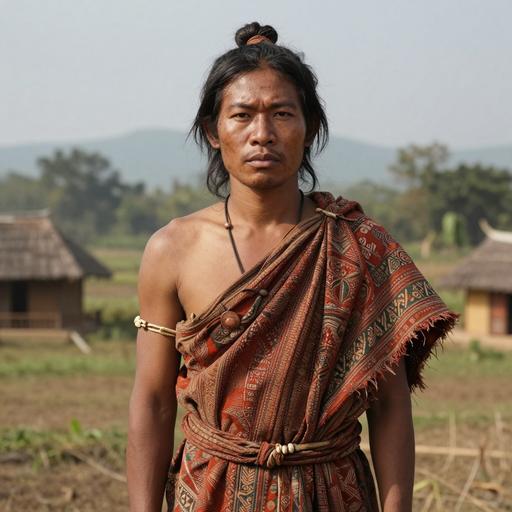
- Haplogroup O: Extremely diverse and frequent across East and Southeast Asia, with multiple sublineages associated with major language families (Sino-Tibetan, Austroasiatic, Tai-Kadai, Austronesian) and with Neolithic and post-Neolithic demographic expansions.
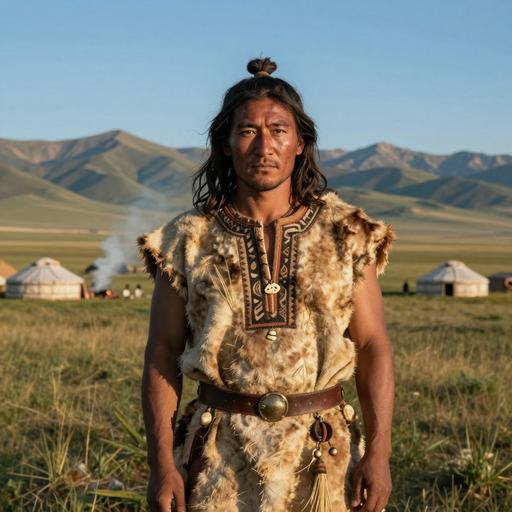
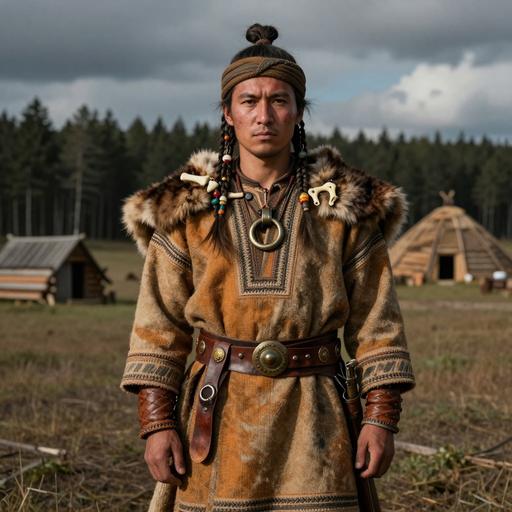
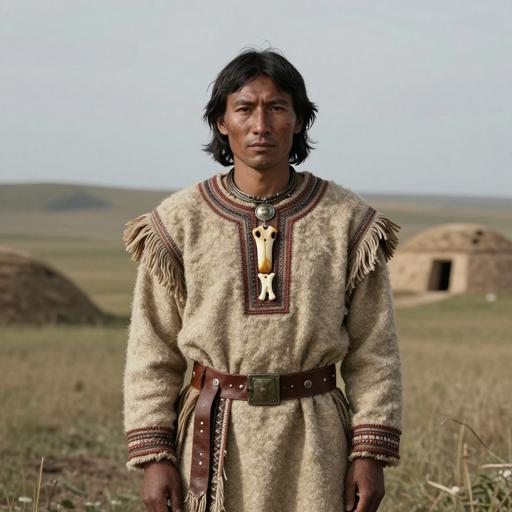
- Haplogroup N: Characteristic of northern Eurasia, expanded north and west into Siberia, the Baltic and Fennoscandia, and is prominent among many Uralic-speaking and some former hunter-gatherer populations.
Because NO1 is ancestral to both N and O, many observable geographic patterns in modern populations reflect the differential success of these descendant clades rather than a single NO1 distribution.
Geographical Distribution
Modern-day NO1 as an identifiable basal lineage is rare; most Y chromosomes in the regions of its origin are assigned to descendant N or O subclades. The geographic imprint of NO1 is therefore best read through the distributions of N and O: high frequencies of O across mainland and island East/Southeast Asia, and concentrations of N in northern Eurasia and parts of northeastern Europe. Low-frequency basal or near-basal markers attributable to NO1 have been reported in some ancient DNA and in modern populations across East Asia, Southeast Asia, parts of Central Asia and Siberia, with occasional low signals in South Asia reflecting long-distance gene flow or retention of deep lineages.
Twelve ancient DNA samples in available curated databases have been reported with NO1-associated markers, supporting an early Upper Paleolithic presence in East/Southeast Asia followed by later expansions of its descendants.
Historical and Cultural Significance
NO1 is important as a phylogenetic landmark for understanding the demographic events that produced modern East Eurasian paternal lineages. Because its descendants split into a lineage that remained largely southern and agricultural (O) and a lineage that expanded northwards (N), NO1 is central to models that link early post-Pleistocene dispersals, the spread of Holocene foraging-to-farming transitions, and later climatic-driven movements into higher latitudes.
- The expansion of haplogroup O is closely associated with Neolithic and later cultural expansions in East and Southeast Asia (including the spread of Sino-Tibetan and Austronesian-speaking farming communities).
- The expansion of haplogroup N reflects post-glacial movements into Siberia and northern Eurasia and is tied to the genetic substrate of many Uralic-speaking and northern hunter-gatherer populations.
Because NO1 predates these cultural horizons, its study helps disentangle the timing of demographic pulses (Upper Paleolithic origins followed by Neolithic and later Bronze/Iron Age reshaping) in East Eurasia.
Conclusion
Y-DNA haplogroup NO1 (K2a1) is best understood as an ancestral node that originated in Southeast Asia ~40 kya and produced two major descendant branches (N and O) that shaped the paternal genetic landscape of much of northern and eastern Eurasia. While basal NO1 is uncommon today, its evolutionary legacy is visible across East, Southeast and northern Eurasia through the differential expansions of its descendant clades, making it a crucial marker for reconstructing Upper Paleolithic and Holocene male-lineage dispersals in Eurasia.
Key Points
- Origins and Evolution
- Subclades (if applicable)
- Geographical Distribution
- Historical and Cultural Significance
- Conclusion